What to Look for in Lyophilized Peptides
Lyophilized peptides, or freeze-dried peptides, are commonly used to preserve peptides in a stable, long-lasting form. However, the quality of these peptides — both before and after reconstitution — plays a critical role in their effectiveness and safety. This article will guide you on what to look for in the lyophilized powder vials and reconstituted vials, outline the risks of using poor-quality peptides, and provide tips on how to mitigate these risks. These visual indicators SHOULD NOT REPLACE third-party testing guidance. Visual checks are an additional harm reduction strategy to layer with testing.
What to Look for in Lyophilized Powder Vials
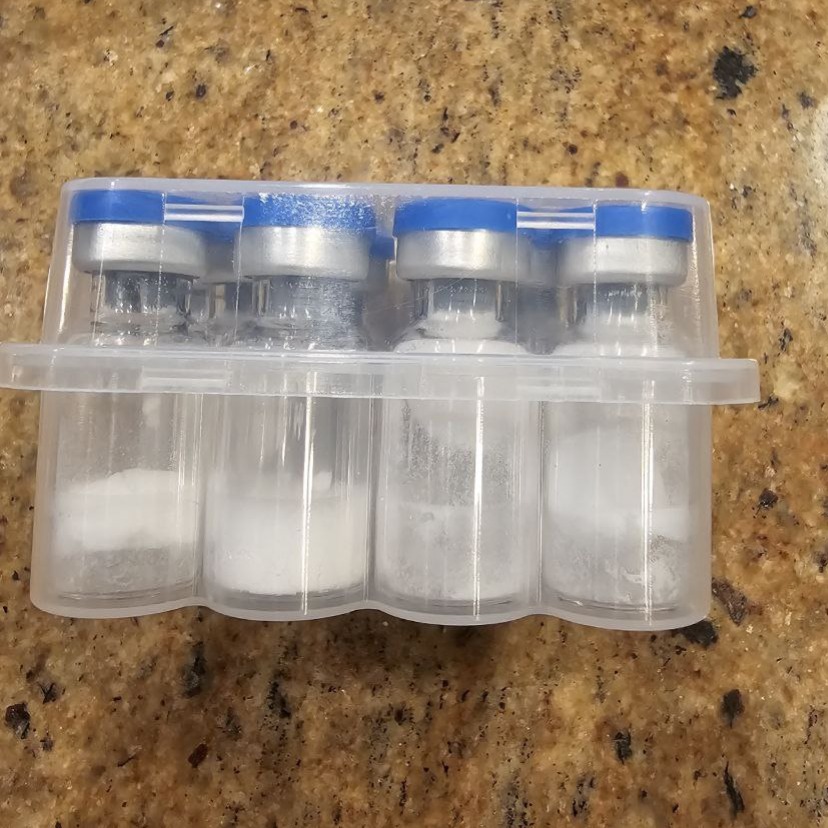
Some quality indicators of a lyophilized peptide can often be determined by examining the vial’s contents before reconstitution. The appearance and texture of the lyophilized cake or powder are key indicators:
Good Product
- Uniform Texture: The lyophilized cake should be uniform in texture and appearance, with no large crystallization or discoloration. A well-prepared lyophilized product will have a smooth, consistent white powdery texture. Broken pucks are not a concern as they can become broken apart during shipping and handling.
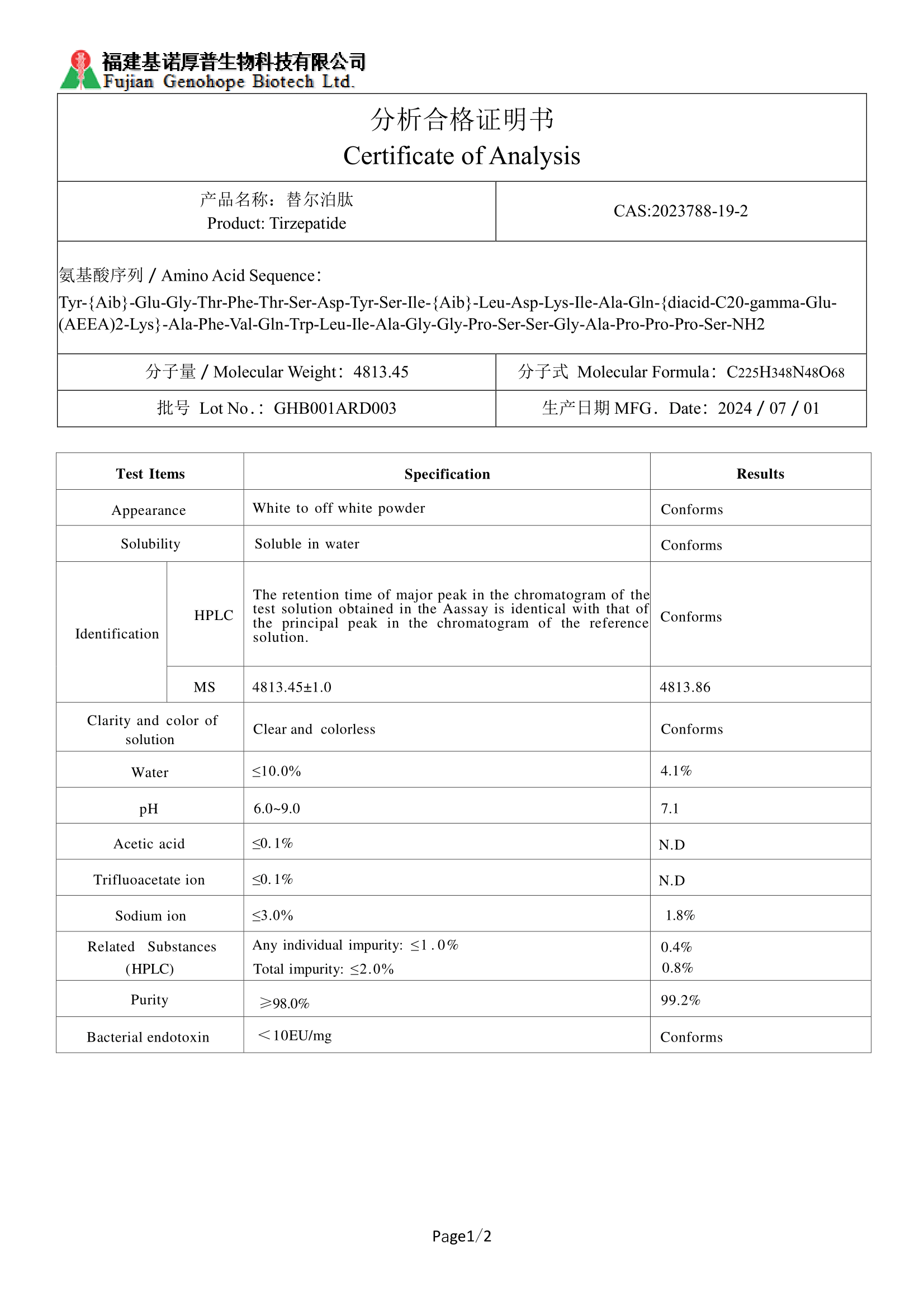
- Very Low Water Content: The texture should appear completely dry with no noticeable crystals. Lyophilized peptides should generally contain <3% water content (although this is not easily tested). source While tirzepatide raw API should generally be <10% water content. source

Bad Product
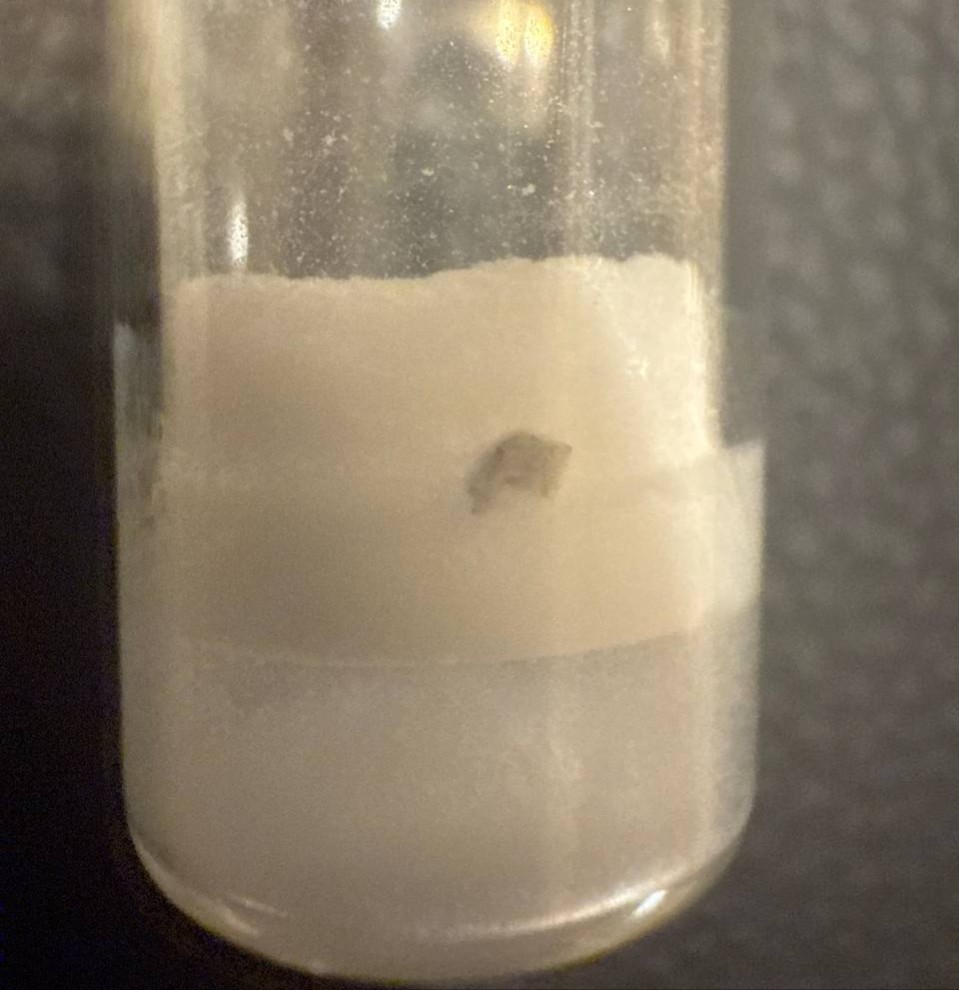
- Discoloration or Impurities: Any visible discoloration, such as yellowing or browning, or presence of foreign particles should raise concerns about the peptide’s stability or sterility. (There are some peptide exceptions to coloration, such as Glow blend which is supposed to be blue.) TOSS IT!
- Wet Texture: Lyophilized peptides should not appear wet, sticky, or granulated thickly sticking to the inside of the vial. High water content causes faster degradation. TOSS IT!
What to Look for in Reconstituted Vials
Once the peptide is reconstituted, its appearance and clarity can provide further insight into its quality:
Good Reconstitution:
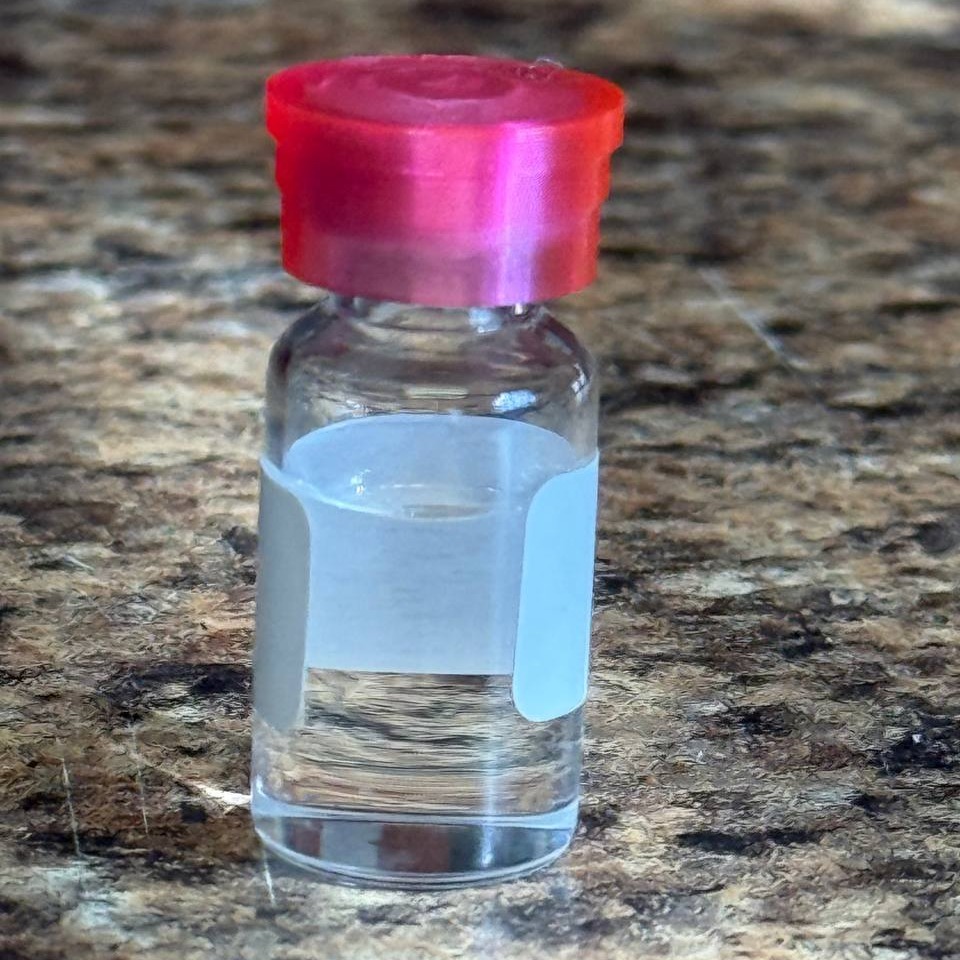
- Clear and Colorless Solution: After reconstitution, the solution should be clear and colorless, with no cloudiness or visible particles. This indicates that the peptide has dissolved properly and is free of contaminants.
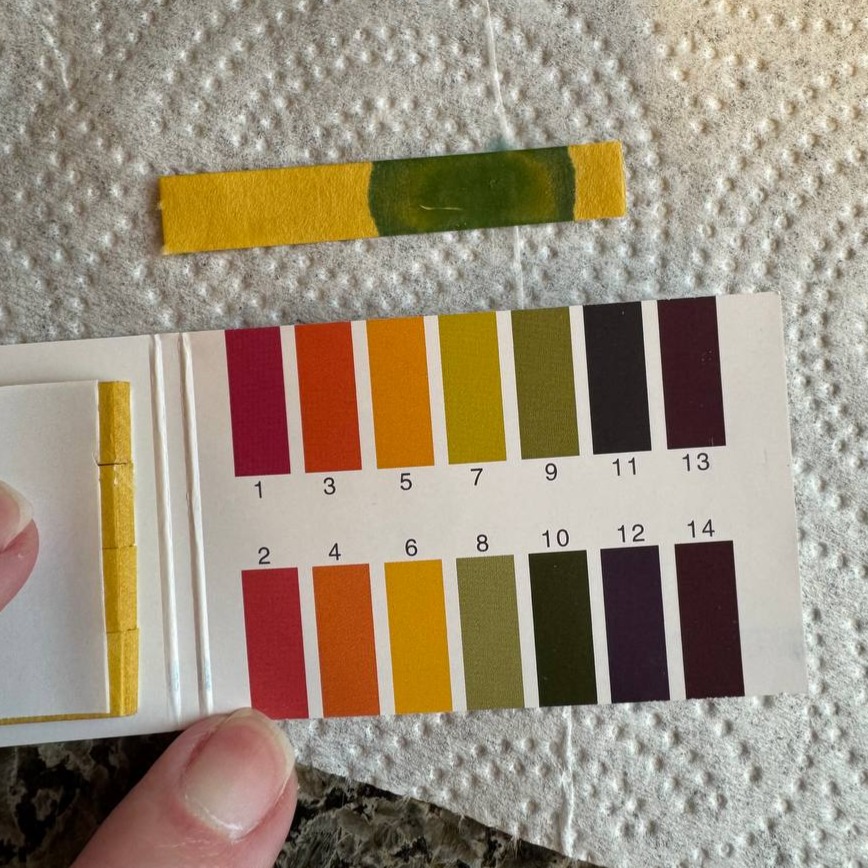
- pH Level: The pH of the reconstituted peptide should fall within the specified range for the peptide, typically pH 6-9 for peptides like Tirzepatide and Retatrutide. Measure the pH to confirm it is within this range for comfortable injection and stable solution. source
Bad Reconstitution
- Cloudiness or Discoloration: If the reconstituted solution appears cloudy, discolored, or contains floating particles, it could indicate that the peptide has not dissolved into solution or has impurities. This may result from a poor manufacturing process or a compromised peptide. If the peptide hasn’t dissolved within 30 mins… TOSS IT!
- Gelling or Precipitation: If the peptide solution gels upon reconstitution, it suggests a change in the peptide’s secondary structure – this is called aggregation. Gelling (aka aggregation) can affect how the peptide interacts with receptors and may lead to various problems we go over in the risks below. TOSS IT!
- Very Acidic or Very Basic pH: If the tested pH is not within a safe subcutaneous injection range of pH 4-9, TOSS IT if you’re unfamiliar with buffering peptides. source


Risks of Using Bad Product
Using poorly manufactured or improperly stored peptides can present several risks source:
-
Immune Response: If the peptide undergoes structural changes, such as gelling (aggregation) when reconstituted, degradation (deamidation) indicated by HPLC purity tests, or cloudiness caused by not dissolving (or if it’s been reconned for longer, bacterial growth in the solution), it may be recognized as a foreign substance by your body. This could trigger an immune response, your body might produce antibodies that attack not only the altered peptide but also natural peptides in your body with similar structures. This is why anti-drug antibody (ADA) research is conducted on many biolgics clinical trials these days. source source
-
Ineffective or Unintended Biological Response: Peptides with altered structures may not function as intended. In some cases, they might bind to the wrong receptors, triggering unintended biological processes. This could lead to side effects or a lack of therapeutic efficacy. In the best case, they are inert and provide no effect at all. source
-
Burning during Injection: Subcutaneous injections should generally be within pH 4-9 to avoid injecting too acidic or too basic solution that cause burning. Additionally, many peptides should fall between pH 6-9 for stability reasons, including the GLP-1s. Check the pH range recommendation for your specific peptide before reconstituting. source
How to Mitigate Risks
To minimize the risks associated with bad lyophilized peptides or issues with reconstitution, follow these steps:
-
Source Peptides from Known Manufacturers: Always buy peptides from suppliers who are known within the community as an initial line of defense vetting strategy. Never accept unsolicited DMs from strangers on the internet who want you to buy something.
-
Test Your Product: The only way to be sure your peptide product is the actual peptide with reasonable purity and at the expected potency (mass fill) is to third-party (3P) test your peptide. We have a full guide on what you should consider testing and when over on Testing 101.
-
Inspect Vials Before Use: Inspect the lyophilized powder vial and reconstituted vial before using. If there are signs of gelling, cloudiness, or particulates, TOSS IT. Subcutaneous injections are actually very low risk for infection even if bacterial growth is present, but if you see cloudiness, it’s not worth injecting it. TOSS IT.
-
Proper Storage: Typically, lyophilized peptides should be stored in a cold, dry place, away from direct sunlight, and should be reconstituted only shortly before use to prevent degradation. Freezing kits of lyophilized peptides at -80*c to -20*c (-112*f to -4*f) helps to lengthen their lifespan for long-term storage. source
-
Follow Reconstitution Instructions Carefully: When reconstituting peptides, always follow the peptide’s specific guidelines to avoid improper dilution or pH, which could lead to gelling/aggregation or a burning feeling when injecting. Some peptides like the GLP1s require only bacteriostatic water for reconstitution, while others require acetic acid or other solvent to buffer pH during reconstitution.
Conclusion
Quality control is crucial to ensure using lyophilized peptides safely and effectively. Always source peptides from known suppliers, test for purity and mass fill, inspect them for signs of aggregation, and follow proper storage and reconstitution protocols to minimize risks.
If you have any questions, concerns, or feedback about the information or sources provided, please don’t hesitate to reach out to the mods on Telegram. If you’re looking for access to the Telegram group, please click the invite in the footer of this page
Your Cart
All Categories
Search

Before you enter
Stairway to Gray lists research peptides for laboratory and educational use only. Nothing on this site is medical advice or intended for human consumption.
By continuing you confirm that you are 21 or older and agree to our Terms of Service.